

If you’re into quant trading, you’ve probably faced the frustration: a strategy that performs well in backtesting falls flat in live markets. It’s either slow to catch signals, misjudges market trends, or hits unexpected snags that eat into potential profits. For years, I struggled with this too, assuming the issue was with my strategy tweaks—until I dug deeper.
The real culprit, I realized, was often overlooked: data. Quant trading relies heavily on historical backtesting and real-time market tracking, but common data problems can derail even the most solid plans. Sometimes the data is delayed, arriving after the market has already moved; other times, key data points are missing, making in-depth analysis impossible. Worst of all, unstable data feeds that cut out or glitch can freeze automated trading systems entirely. A fellow high-frequency trader once missed a 20% profitable trade because of a 0.3-second data delay—something he still mentions with frustration.
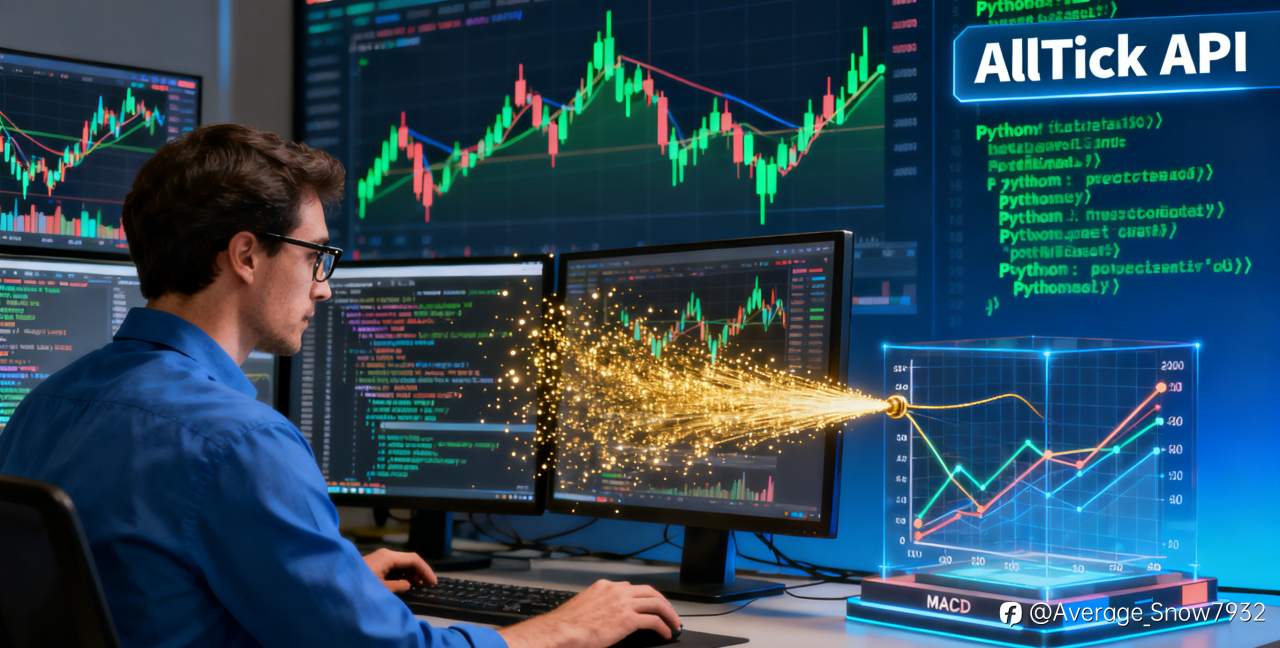
For quant traders, data quality and speed are make-or-break. After testing several tools to address these pain points, I found one that stood out for its reliability: AllTick. What impressed me most was its low-latency, stable API, which syncs real-time market data and depth information from major global markets to trading systems in milliseconds, effectively solving lag issues.
Another plus is its developer-friendly design. There’s no need for complex secondary development, and the integration process is straightforward—even teams with limited technical resources can deploy it quickly. An engineer from my network shared that while integrating other data platforms used to take a full week of debugging, with AllTick, the entire process was completed in less than a day. That extra time can be redirected to optimizing strategy parameters instead of troubleshooting.
With reliable data, strategies can truly shine. After switching to this tool, many traders (myself included) noticed clearer trading signals and more confident responses to market volatility.
Backtesting accuracy improved noticeably, and live trading execution efficiency doubled—meaning fewer missed opportunities due to data-related issues.
Quant trading is ultimately a competition of data acquisition and execution efficiency. Instead of wasting time testing and adjusting strategies with incomplete or delayed data, upgrading your data tool can be a game-changer. If you’re also dealing with data-related frustrations and want to get the most out of your trading strategies, it’s worth exploring tools that prioritize speed, stability, and ease of use.
風險提示:本文所述僅代表作者個人觀點,不代表 Followme 的官方立場。Followme 不對內容的準確性、完整性或可靠性作出任何保證,對於基於該內容所採取的任何行為,不承擔任何責任,除非另有書面明確說明。

暫無評論,立馬搶沙發