


Doji and Dragonfly Doji are two types of candlestick patterns used in Forex trading. Here are the differences between the two patterns:
Doji:
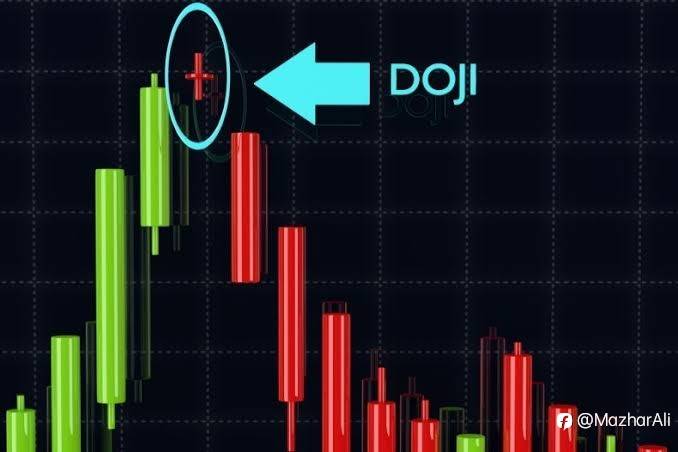
- A Doji is a candlestick pattern that forms when the opening and closing price of an asset are very close to each other, resulting in a small real body.
- The Doji pattern indicates indecision in the market, as buyers and sellers are equally matched.
- The pattern can appear in both bullish and bearish trends and suggests that the trend may be losing momentum.
- Traders may interpret the Doji pattern as a signal to close existing positions and wait for further confirmation before opening new positions.
Dragonfly Doji:
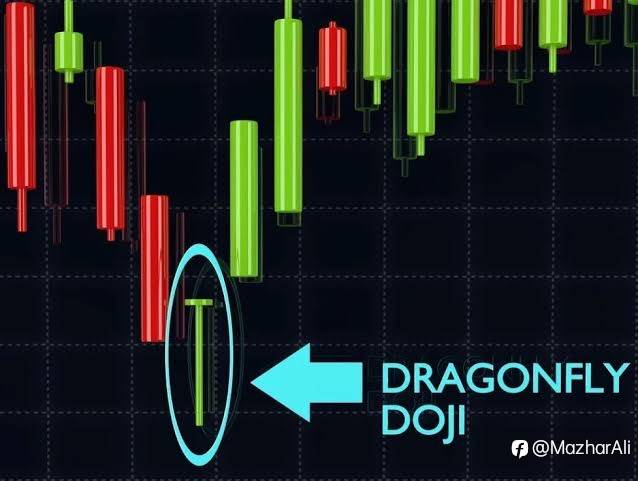
- A Dragonfly Doji is a bullish candlestick pattern that forms when the opening and closing price of an asset are at or near the high of the trading range.
- The candle has a long lower shadow, and the real body is at the upper end of the trading range.
- The pattern indicates that buyers are in control of the market and that the price may continue to rise.
- Traders may interpret the Dragonfly Doji pattern as a signal to buy, with stop loss orders placed below the low of the pattern.
In summary, the main difference between Doji and Dragonfly Doji is their shape and the direction of the trend they indicate. Doji indicates indecision in the market and suggests that the trend may be losing momentum, while Dragonfly Doji is a bullish pattern that indicates buyers are in control of the market and the price may continue to rise. Traders can use these patterns to make informed trading decisions by analyzing the direction of the trend and the strength of buying and selling pressure in the market.
已編輯 10 Mar 2023, 17:59
風險提示:本文所述僅代表作者個人觀點,不代表 Followme 的官方立場。Followme 不對內容的準確性、完整性或可靠性作出任何保證,對於基於該內容所採取的任何行為,不承擔任何責任,除非另有書面明確說明。

暫無評論,立馬搶沙發