




Global Forex markets are entering a rebalancing phase following a period of heightened volatility driven by geopolitical tensions and energy shocks. Market conditions are no longer dominated by extreme risk-off flows, but stability has yet to fully return. Instead, capital flows are becoming more selective and fragmented. Oil and the U.S. dollar continue to act as the primary anchors of the market, while gold and silver remain under pressure.
Recent data shows that gold has stabilized around $4,33xx – $4,50xx per ounce, following a sharp decline to near $4,335/oz, its lowest level in months. This marks a significant pullback from previous highs and reflects sustained selling pressure.
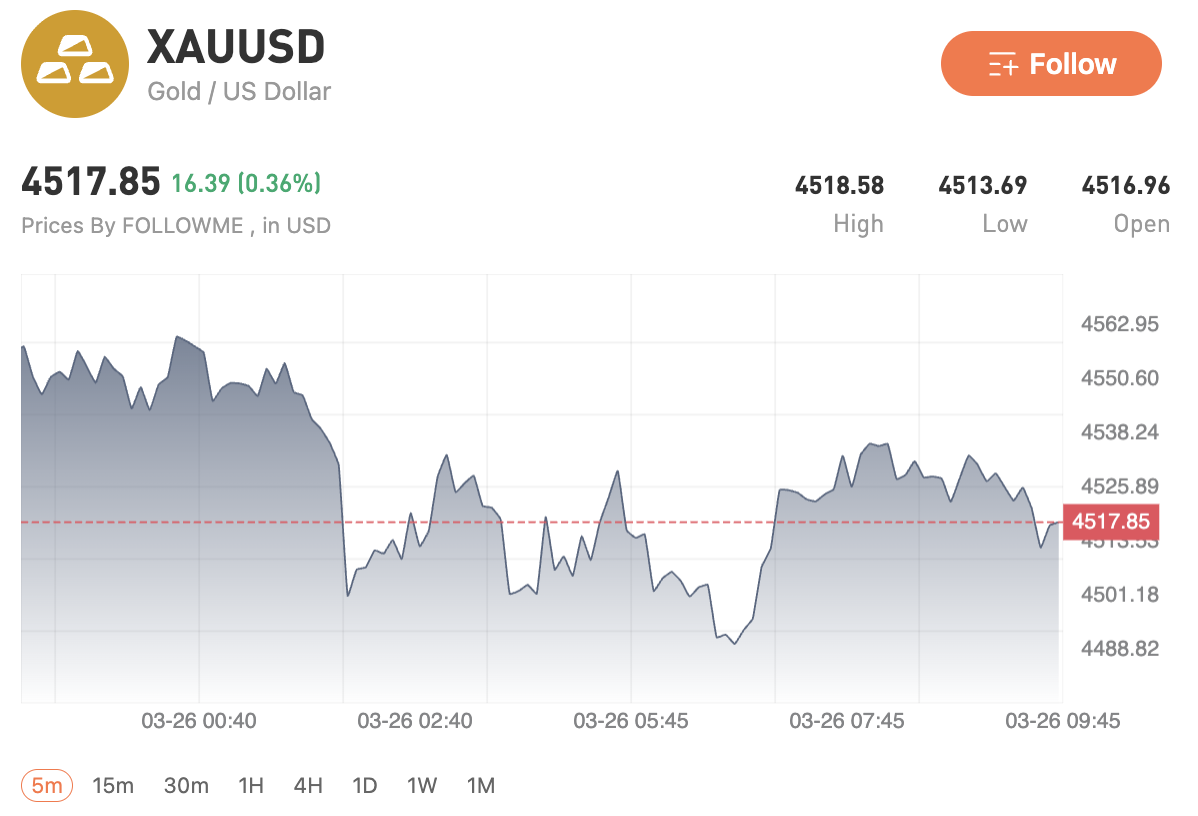
Silver has experienced an even sharper decline. Prices are currently trading around ~$71/oz, down more than 20% in recent weeks after falling from levels above $80.
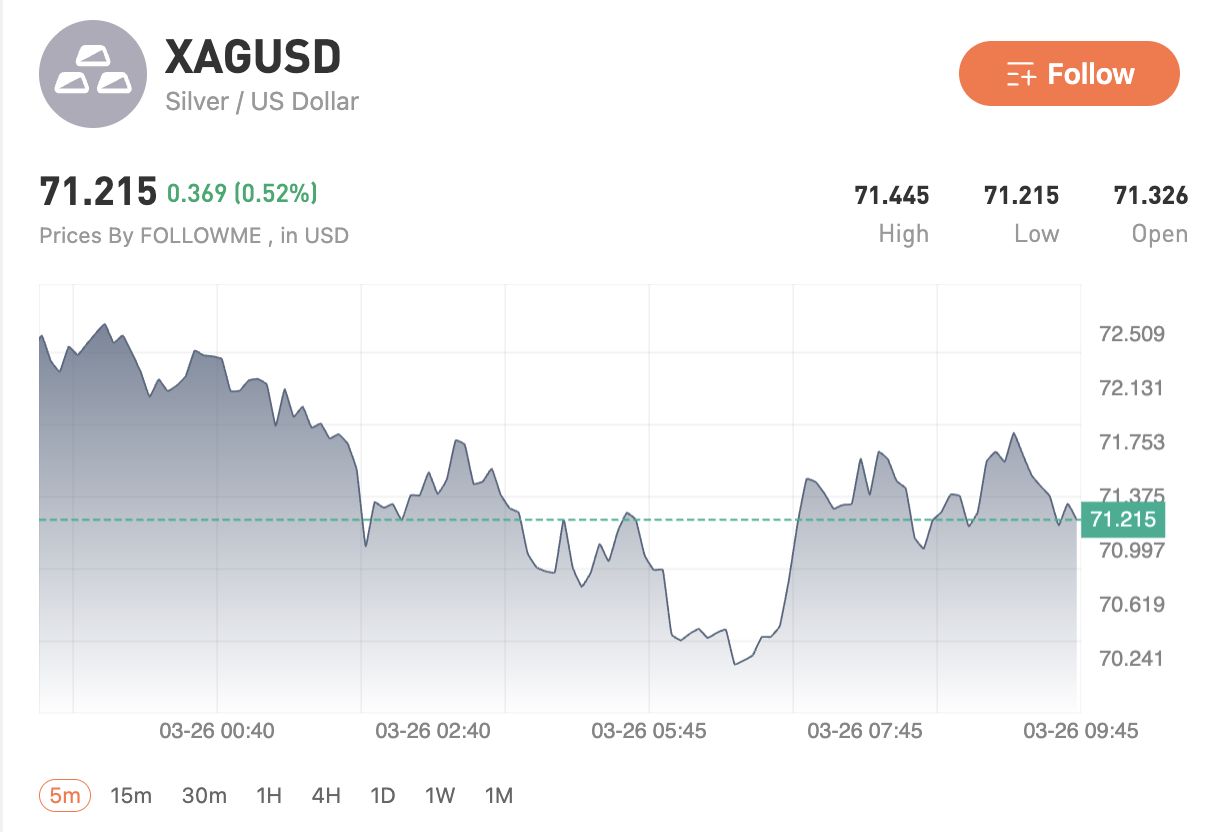
While both metals are showing signs of short-term stabilization, the current rebound appears largely technical rather than indicative of a structural reversal. There is still limited evidence of a meaningful return of safe-haven demand into precious metals.
The deeper drivers: A shift in capital flow dynamics
The decline in gold and silver is not a reflection of reduced global risk, but rather a shift in how markets respond to it.
First, the U.S. dollar remains relatively strong, reducing the attractiveness of precious metals. As USD appreciates, gold and silver become more expensive for global investors. In addition, USD offers both liquidity and yield, making it more competitive compared to non-yielding assets.
Second, the higher-for-longer interest rate environment continues to weigh on metals. As expectations for rate cuts are pushed back, the opportunity cost of holding gold and silver increases.
Third, elevated oil prices that are still holding around $100 per barrel are reinforcing inflation concerns. However, instead of supporting gold, this dynamic is leading markets to expect prolonged monetary tightening, indirectly strengthening USD and pressuring metals.
Most importantly, there has been a structural shift in safe-haven flows. Investors are increasingly favoring USD over gold, prioritizing liquidity and yield over traditional hedging assets.
Oil: The key macro anchor
Oil prices remain near $100 per barrel, stabilizing after recent spikes. While no longer in a shock phase, oil continues to shape market expectations. In the current environment, oil functions as a macro anchor. It influences inflation expectations, central bank policy outlooks, and overall risk sentiment. Even relatively small movements in oil prices can trigger broader adjustments across currency markets. This reinforces the idea that the Forex market is currently energy-driven.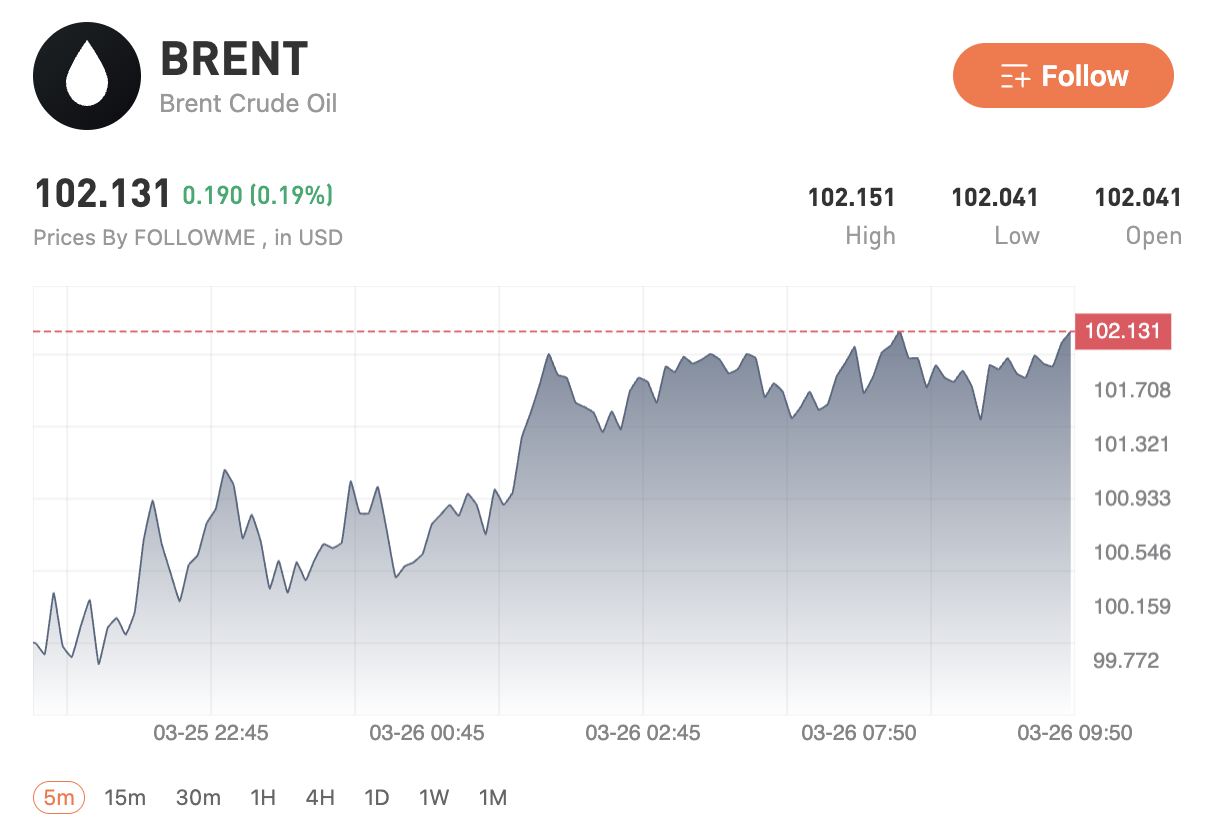
The U.S. dollar is no longer in a one-directional rally but has transitioned into a consolidation phase. This reflects the gradual unwinding of its safe-haven premium. As USD stabilizes, other currencies are beginning to diverge:
- EUR and GBP are showing modest rebounds as USD softens
- JPY remains highly sensitive, especially near intervention-risk levels
- AUD and NZD continue to fluctuate with global risk sentiment and growth expectations
This shift marks a transition from a “one-way USD trade” to a more complex, multi-directional market.
Trader perspectiveThe current environment is not trend-driven, but rather characterized by rebalancing and repositioning. Price movements are increasingly driven by position adjustments rather than the formation of new trends. This results in:
- higher noise levels
- frequent failed breakouts
- persistent intraday volatility
In such conditions, trading around key levels and maintaining strict risk management becomes more effective than attempting to capture long-term directional moves.
ConclusionThe Forex market on March 26, 2026 is in a transitional phase. Oil is no longer acting as a shock driver but continues to anchor market expectations. Gold and silver are showing signs of recovery, yet their broader bearish structure remains intact. The U.S. dollar has lost its strong upward momentum and is becoming more neutral, while other currencies are beginning to diverge. The key takeaway is that the market has not entered a new trend yet, but is instead rebalancing after a period of significant volatility.
Want to stay ahead of major macro developments that move the Forex market?
👉Follow Followme and check out the Weekly Economic Calendar




風險提示:本文所述僅代表作者個人觀點,不代表 Followme 的官方立場。Followme 不對內容的準確性、完整性或可靠性作出任何保證,對於基於該內容所採取的任何行為,不承擔任何責任,除非另有書面明確說明。
 暫無留言。 來發表第一則觀點吧。